
Our offer
One platform, one team, one commitment — from requirements definition through to production maintenance.
Two complementary platforms
OpenAGE comes in two tools depending on the expected level of freedom in the layout. Both share the same foundation: structured data and fine-grained access control (down to field level), fully configurable according to each user's roles and scope.
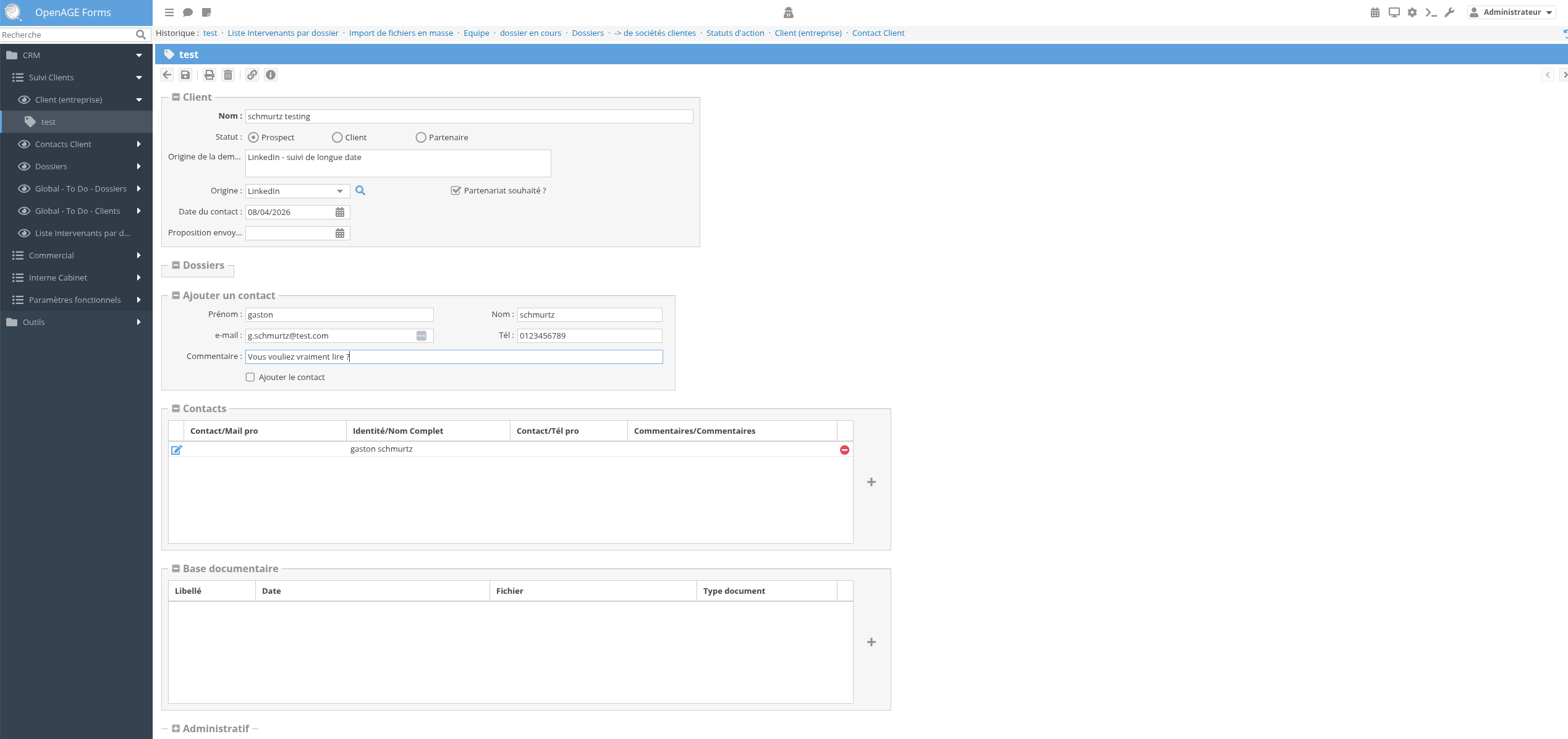
OpenAGE Forms
The rapid development tool, built around a Designer module. OpenAGE Forms automatically generates interfaces from the data model: forms, tables, sub-forms, navigation. The layout follows standardised conventions, which allows delivering a first operational version within a few days. Only the presentation is standardised: business rules remain entirely free, through parameterisation or low-code scripts.
Ideal for data entry, monitoring and day-to-day management needs.
OpenAGE Viewer
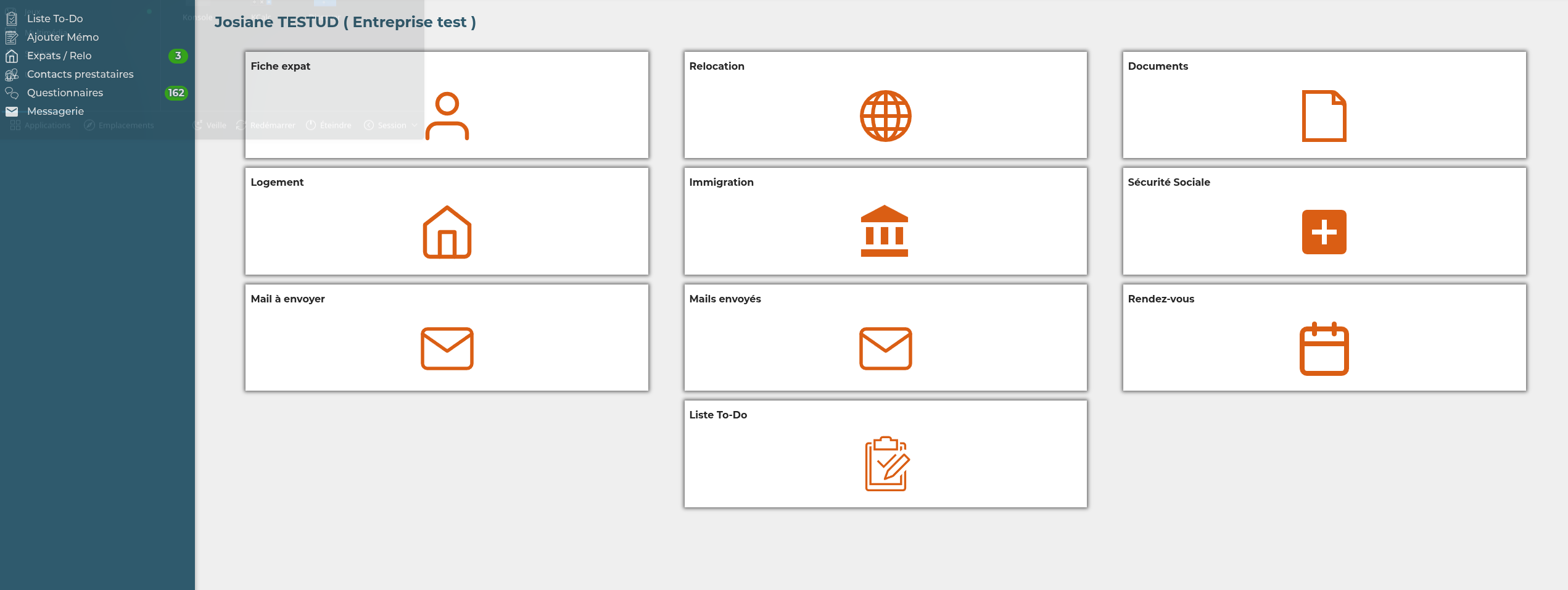
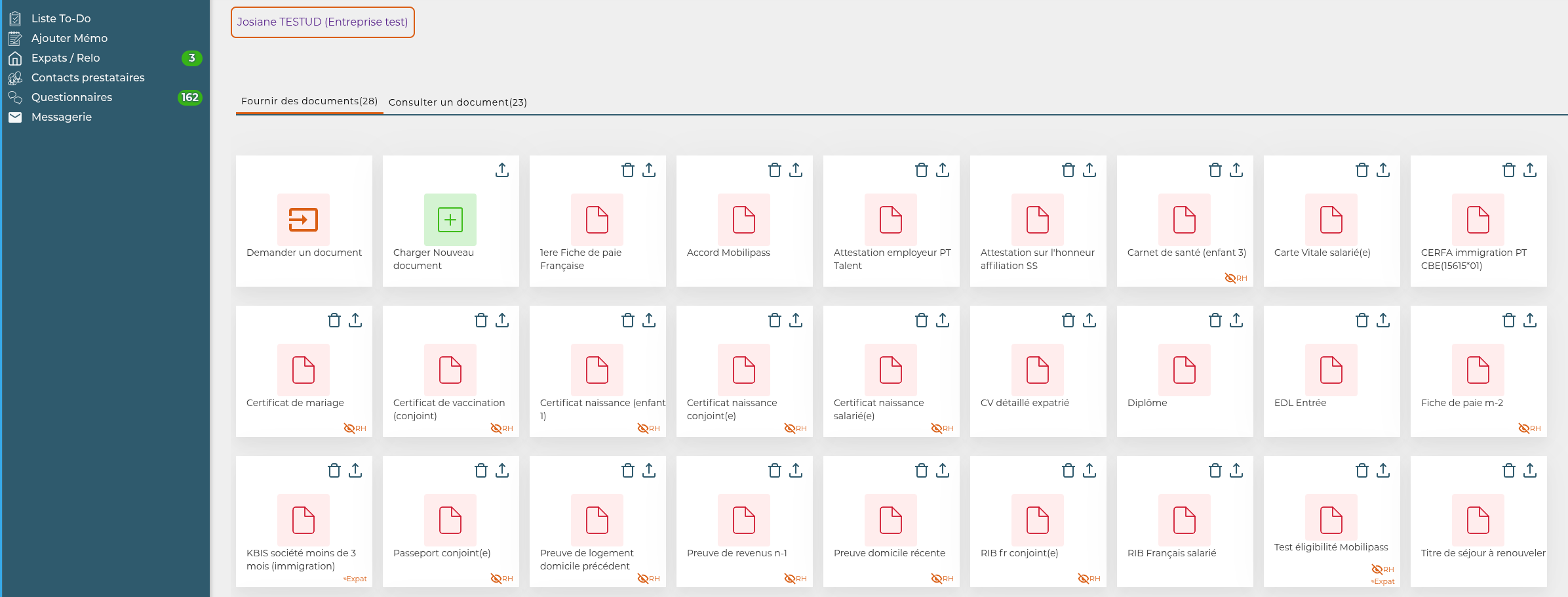
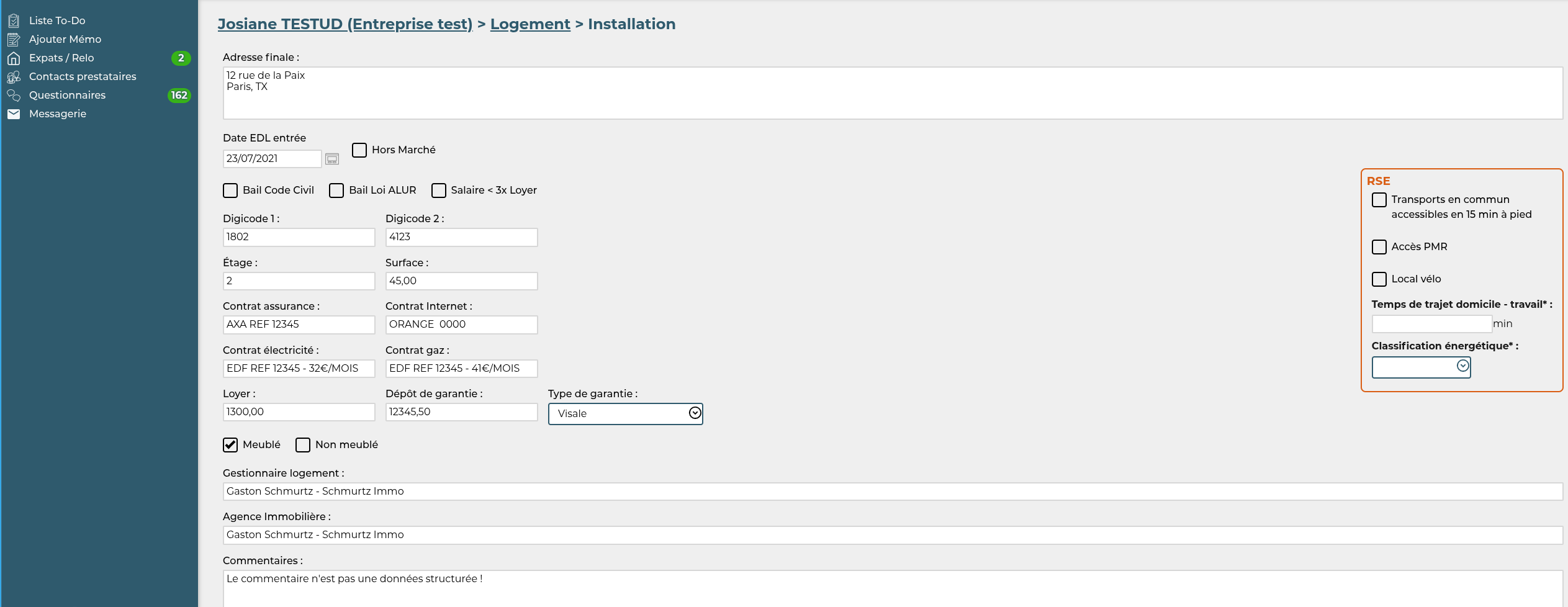
The free-layout tool. Viewer allows composing custom interfaces: dashboards, document galleries, forms, home screens. Development takes slightly longer, but the result adapts precisely to the use case and the users.
Ideal for portals, dashboards and end-user-oriented interfaces.
What makes us different
Collaborative and structured
OpenAGE reconciles the creativity of teamwork with the robustness of databases. The result: reliable applications that users adopt and evolve themselves.
Agile at every link
An organisation's agility depends on the agility of each component of its information system — through the critical path effect. REFLEXE Technologies covers the entire chain, from scoping to maintenance, so that no link becomes a bottleneck.
Fine-grained access control
OpenAGE allows defining access rights to data — in an existing or new database — down to field level, through simple configuration.
The agility chain
Every step is designed to remain agile. Click on a link to learn more.
-
01 Advisory
- Understanding your business context together
- Identifying available data
- Defining the functional scope with business teams
-
02 Co-design
- Iterative workshops with users
- Rapid prototyping
- Validation at every stage
-
03 Development
- Development on OpenAGE in short cycles
- First versions delivered within weeks
- Continuous evolution without disruption
-
04 Deployment & infrastructure
- Hosting on the OpenAGE Cloud or on the client's infrastructure
- Progressive go-live
- User training
-
05 Ongoing maintenance
- New features and business adjustments
- User support
- No rearchitecting, no migration